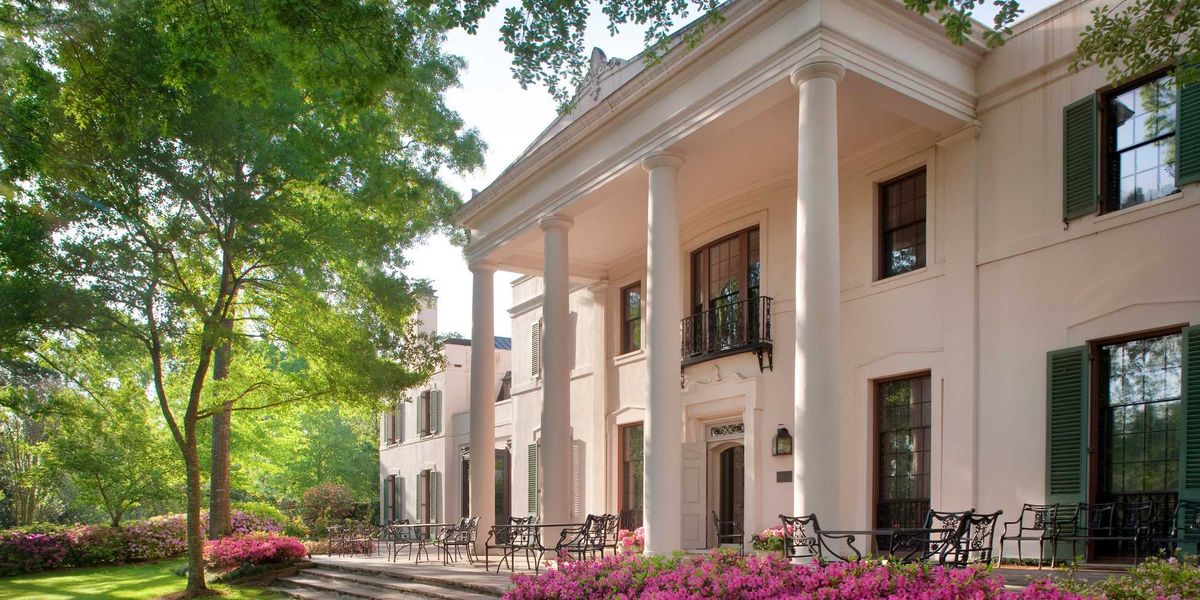
Houston's Azalea Trail: How a Garden Pilgrimage Became a Legacy
Nestled within the heart of Houston, a vibrant tradition blossoms every two years, drawing thousands of visitors eager to immerse themselves in horticultural splendor and architectural grace. This is the
Azalea Trail Houston, an event far more profound than just a garden tour. It’s a captivating journey through some of the city’s most exquisite private gardens and historic homes, a celebration of beauty, and a powerful engine for community betterment. What began almost nine decades ago as a modest "Garden Pilgrimage" has evolved into a cornerstone event, meticulously curated by the dedicated members of the River Oaks Garden Club (ROGC), leaving an indelible mark on Houston's landscape and its charitable fabric.
From Humble Pilgrimage to Iconic Azalea Trail Houston
The story of the Azalea Trail is deeply intertwined with the development of Houston’s prestigious River Oaks neighborhood. In 1927, as River Oaks began to take shape, 27 forward-thinking residents, passionate about gardening and community, came together to form the River Oaks Garden Club. Their initial ambitions laid the groundwork for what would become a beloved city tradition.
It wasn't until late April 1935 that the ROGC hosted its very first public event, then known simply as the "Garden Pilgrimage." This inaugural tour featured 12 enchanting gardens, with five notably situated along the charming Lazy Lane. The modest proceeds from this pioneering effort were directed towards a local cause: enhancing the grounds of the River Oaks School, known today as River Oaks Elementary. This early act of giving set a precedent for the philanthropic spirit that continues to define the Azalea Trail.
A pivotal transformation occurred just one year later, in 1936. Recognizing the distinct blooming season of azaleas, the ROGC expanded its offering. Three additional gardens were opened in March, specifically to showcase these stunning, often vibrantly colored shrubs. This addition led to a new, more descriptive moniker: the Azalea Trail. The name change was not merely for aesthetic appeal; it marked a deliberate effort by the ROGC to introduce and educate the Houston public about azaleas. At the time, many residents were unfamiliar with these non-native beauties, and the Garden Club saw an opportunity to cultivate a deeper appreciation for diverse horticulture within the community.
Cultivating Knowledge: The Azalea Trail as a Horticultural Classroom
The River Oaks Garden Club’s foresight in branding their event around azaleas proved incredibly successful. While azaleas are now a common and cherished sight in many Southern gardens, they were once a novelty in Houston. The ROGC leveraged the Azalea Trail to demystify these plants, offering practical insights into their cultivation in a subtropical climate. Visitors learned about ideal soil conditions, shade requirements, and the specific varieties best suited for the region, transforming local gardeners into skilled azalea enthusiasts.
This educational mission remains a core tenet of the
Azalea Trail Houston. Beyond merely displaying beautiful gardens, the event serves as a living classroom. Attendees often gain inspiration for their own yards, discover new plant varieties, and learn sustainable gardening practices from the experts – both the garden owners and the knowledgeable ROGC volunteers. The meticulous planning and design visible in these featured gardens offer a wealth of ideas, from water-wise landscaping to creating inviting outdoor living spaces.
Practical Tip for Azalea Growers: If you're inspired by the Azalea Trail to plant your own, remember that azaleas thrive in acidic soil with good drainage. In Houston's often alkaline soils, amending with pine bark or peat moss is crucial. Most azaleas prefer dappled shade, especially from the intense afternoon sun. Choosing heat-tolerant varieties like Southern Indica, Encore, or Satsukis will yield the best results.
Blooming Through Adversity: Resilience During Wartime
The 1940s presented unforeseen challenges for the Azalea Trail and the nation as a whole. World War II brought severe shortages of plant materials, making it difficult to maintain the elaborate gardens that had become a hallmark of the Pilgrimage. However, the resilient spirit of the ROGC members shone brightly. Instead of faltering, they adapted with ingenuity and patriotism.
Club members began cultivating bedding and landscaping plants from seeds and cuttings, a resourceful response to the scarcity. More significantly, they embraced and introduced the "Victory Garden" concept into landscape design at their own homes. This wasn't merely about planting vegetables in a secluded patch; it was an innovative integration. Vegetables like vibrant lettuces and robust tomatoes were artfully woven into existing flower borders, and fruit trees became integral parts of broader landscapes. This practical and aesthetically pleasing shift contrasted sharply with the isolated vegetable gardens and fruit orchards of previous eras, making food production both accessible and beautiful.
These ROGC Victory Gardens were immensely popular with Azalea Trail attendees, sparking a renewed interest in locally grown produce. This enthusiasm laid the groundwork for what would eventually become the successful Greens Market, held on the ROGC’s Forum building grounds, continuing the legacy of locally sourced goods.
The war years also saw an extraordinary display of hospitality. In 1945, the Azalea Trail attracted an impressive 10,000 visitors, a remarkable feat during wartime. Among them were several thousand servicemen and women, honored guests who found solace and beauty in the gardens. A particularly notable group included military officers visiting Houston to lay the cornerstone for a new 39-building Naval Hospital (which later became the Veteran's Hospital). These officers, along with military patients from McCloskey Hospital in Temple, Texas, were warmly entertained by ROGC members for an entire weekend. Despite having fewer than 50 members, the club showcased ten gardens and three homes, hosting a series of social events that underscored the importance of community and comfort during a tumultuous period. These efforts during the war years highlighted the Azalea Trail's profound role, not just as a garden showcase, but as a beacon of hope and connection. This pivotal era is explored further in
Beyond Blooms: Azalea Trail Houston's Impact & Victory Garden Roots.
A Community Cornerstone: The Enduring Impact of Azalea Trail Houston
Today, the
Azalea Trail Houston is far more than a stunning visual experience; it is the primary fundraiser for the River Oaks Garden Club, with every dollar generated poured back into the community. This biennial event has become an indispensable source of support for a diverse array of organizations, touching countless lives across Houston.
The proceeds from the Azalea Trail bolster initiatives ranging from environmental conservation to educational programs, and from historical preservation to social services. Some of the notable beneficiaries include:
*
Environmental Stewards: Bayou Bend, Bayou Greenways 2020, Buffalo Bayou Partnership, Houston Arboretum, Houston Botanic Garden, Memorial Park Conservancy, Mercer Botanic Gardens, Nature Discovery Center, and Urban Harvest. These organizations work to preserve Houston’s green spaces, enhance biodiversity, and promote sustainable urban living.
*
Educational and Youth Programs: Chinquapin Preparatory School, The Monarch School and Institute, The Parish School, and Student Conservation Association benefit from funds that support innovative learning environments and crucial outdoor experiences for young people.
*
Community Welfare and Arts: The Alzheimer’s Association, The Brookwood Community, Holly Hall Retirement Community, and the Houston Rose Society receive vital support. The Forum of Civics and Rienzi also benefit, contributing to civic engagement and the preservation of arts and culture.
The Azalea Trail’s commitment to these diverse organizations demonstrates the ROGC’s holistic approach to community betterment. By investing in everything from Alzheimer’s research to urban farming, the club ensures that the beauty cultivated in Houston’s gardens translates into tangible, positive change across the city.
Experiencing the Azalea Trail Today
For those planning to visit Houston during the Azalea Trail, expect an unforgettable experience. The event typically takes place in early March, when the azaleas are at their peak, creating a breathtaking tapestry of color. Visitors can expect to tour several private gardens and homes, each offering a unique glimpse into Houston's horticultural and architectural heritage.
*
Planning Your Visit: Check the River Oaks Garden Club website for exact dates and ticket information for the biennial event. Tickets often include access to all featured gardens and homes over a specified weekend.
*
What to Expect: Beyond the stunning blooms, you'll encounter a variety of garden styles, from meticulously manicured formal gardens to more naturalistic landscapes. Many homes featured are architectural gems, allowing a rare peek into their historic interiors. Volunteers are usually on hand to answer questions and provide historical context.
*
Immerse Yourself: Wear comfortable walking shoes, as you’ll be covering a fair amount of ground. Allow ample time at each location to truly appreciate the design, planting, and attention to detail. Consider packing a camera to capture the vibrant beauty.
The Azalea Trail is not just an event; it's an institution. It’s a testament to the power of volunteerism, a celebration of natural beauty, and a continuous source of inspiration and support for the city of Houston.
A Blossoming Legacy for Houston
From its humble beginnings as a "Garden Pilgrimage" in 1935, the Azalea Trail has blossomed into a cherished Houston legacy. The River Oaks Garden Club’s dedication to horticulture, education, and community service has transformed a simple garden tour into a powerful philanthropic endeavor. As it approaches its 88th anniversary, the Azalea Trail stands as a vibrant example of how beauty, cultivated with purpose, can enrich an entire city. It reminds us that behind every beautiful bloom lies a story of resilience, innovation, and an unwavering commitment to making the world, and our community, a more beautiful place, one garden at a time.